 Forward Financing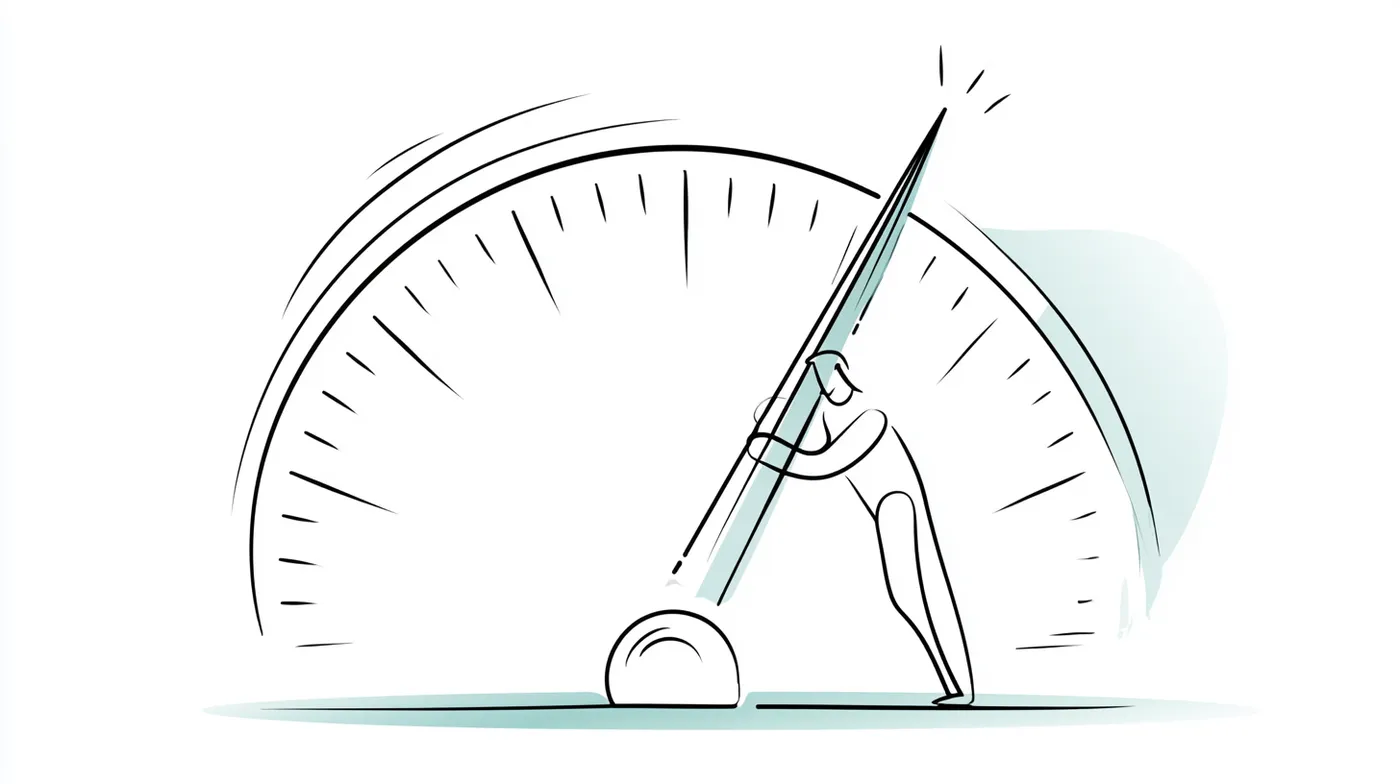
How Your Credit Score Shapes a Personal Loan Offer
By Meredith Lawson · Personal Loans · Back to Personal Loans loans
Eleven years inside underwriting departments taught me one thing worth this whole article: borrowers imagine their credit score as a judgment of character, while lenders treat it as nothing more than a price tag on risk. Nobody in an underwriting meeting has ever discussed whether an applicant is a good person. They discuss whether a 612 prices at 29% or 33%. Once you see the score the way lenders do — a dial, not a diploma — improving it stops feeling like moral rehabilitation and starts feeling like what it is: moving a number that moves a price.
What the score is actually made of
The commonly cited weightings tell you where the leverage lives. Payment history is the record of dues met: one payment 30+ days late can cost a healthy file dozens of points, and the damage fades slowly over years. Utilization is the share of your revolving limits currently borrowed — $1,800 owed across $2,000 of limits reads as 90% and screams strain, while the same debt against $6,000 of limits whispers 30%. Length, mix, and inquiries matter at the margins: old accounts age like assets, a blend of installment and revolving credit reads as experience, and a burst of hard inquiries reads as thirst. The margins are real, but nobody rescues a score at the margins. The rescue happens in the first two categories.
How lenders in this range actually read your file
For $500–$5,000 loans, underwriting is broader than the headline score — a fact that works in your favor. Automated systems read the score alongside income level and stability, existing debt-to-income, and increasingly your checking account's recent behavior: steady deposits and an overdraft-free ninety days can partially offset a bruised score, which is precisely how thin-file and rebuilding borrowers get funded here at all. The eligibility page lists what must be true; the score then prices what is true. A 580 with rock-steady income gets offers a 580 with chaotic banking never sees — same score, different file, different price.

The two files: what you see vs. what gets priced
One orientation point saves endless confusion: the score in your banking app and the file a lender prices are cousins, not twins. Consumer-facing scores are commonly educational models; lenders pull their own versions, sometimes older, sometimes industry-specific, and always alongside the sub-signals this article describes. The practical consequences: expect your number and a lender’s number to differ by a modest band without anything being wrong; track your own score for direction rather than absolute truth, since the levers that move one model move them all; and never let a single app reading talk you out of a forward loan request the eligibility checklist says you can make — the network prices files, not app screenshots, and files carry the trajectory and banking evidence no free score displays.
The score-to-APR translation table
The tier ranges on our rates page translate into money like this: at 740, a $2,500 loan over 24 months might price near 13% APR — roughly $119 monthly, about $355 total interest. At 670, call it 24% — $132 monthly, about $675 interest. At 590, a lender who says yes may quote 34% — $144 monthly, nearly $960 in interest. Same loan, same term, same borrower need; the score alone reprices the identical money by six hundred dollars. That figure is the honest answer to "is it worth waiting ninety days to improve my credit before applying?" — when the need can wait, the arithmetic usually says yes, loudly.
The ninety-day levers, in order of force
Lever one: become perfectly current, starting tonight. Payment history damage stops accruing the moment lateness stops; autopay every minimum on every account, because the scoring clock rewards recency. Lever two: crush utilization. Pay revolving balances down — below 30% of limits helps, below 10% helps dramatically — and time the paydown a week before statement dates, since issuers report statement balances. This lever moves scores in weeks, not years, and it is the engine behind the score jumps consolidators see when a personal loan zeroes their cards, as our consolidation guide explains. Lever three: dispute what is wrong. Pull all three bureau reports free, hunt for accounts that are not yours, payments marked late that were not, balances long since paid — errors are common and disputes are free. Lever four: stop applying for things. Every unnecessary hard inquiry is a small self-inflicted cut; note that requests through the Forward Financing network typically begin with a soft inquiry, which leaves no mark, as the FAQ details. Lever five: touch nothing old. Closing your oldest card to "simplify" shortens your history and raises utilization in one stroke — the classic well-intentioned own-goal.
What underwriting sees that the score hides
The score is a snapshot; underwriting watches the film. Inside the models that price personal loan requests, several sub-signals split identical scores. Trajectory: a 640 that was 590 six months ago carries recovery momentum the models reward; a 640 that was 700 last spring carries the opposite. Freshness of damage: a 30-day late from three years back is scar tissue; the same mark from March is an open question, and it prices like one. Deposit rhythm: for small-dollar lending especially, ninety days of metronomic income deposits into an overdraft-free account is a behavioral credential no bureau records — and Forward Financing network lenders read it directly, which is how thin files get funded at all. Inquiry clustering: five hard pulls in a month reads as thirst; the same five spread across a year reads as life. The practical upshot is encouraging: even when the three digits refuse to move quickly, the file behind them can improve in weeks, and the file is what actually gets priced.
The rebuild calendar: what moves when
Each lever runs on its own clock, and knowing the clocks turns "improve your credit" from a vague virtue into a schedule. Fast (2–8 weeks): utilization — the paydown you make today reports at the next statement cut, and scores recalculate on the new number immediately; this is the lever behind nearly every dramatic short-term score story, including the consolidation jumps our card-consolidation walkthrough documents. Disputes share this lane: bureaus must generally investigate within thirty days, and a deleted error reprices the file at once. Medium (3–12 months): payment history — damage stops compounding the day lateness stops, but the models weight recency, so each clean month outvotes an old stumble a little more; the curve bends visibly around month six and meaningfully by month twelve. Slow (12+ months): average account age and old derogatory marks, which fade on schedules no behavior accelerates. The strategy this calendar dictates: pull the fast levers before any planned personal loan request, let the medium levers run while you comparison-read the rates page, and simply outlive the slow ones.
Reading your reports like an underwriter reads them
When you pull the three bureau reports, borrow the professional reading order: derogatory items first (anything late, collected, or disputed — freshness noted), open balances against limits second (the utilization picture), account ages third, inquiries last. Ten minutes in that order surfaces what a lender’s model will weight before it surfaces what merely annoys you, and it converts the dispute list from a grievance file into a priority queue — newest damage and wrongest entries first, cosmetic history never.
Score myths that keep files stuck
"Checking my own credit hurts it." Self-checks are soft inquiries, score-neutral always — and so, typically, is the initial review when you request through the Forward Financing network; the hard pull comes later, disclosed, only if you proceed with a lender. "Carrying a small balance helps." Paying interest to look active is the most expensive superstition in consumer credit; on-time payments build history whether the statement balance is $200 or $0, and utilization prefers the zero. "Closing paid-off cards cleans up my file." It shortens history and shrinks limits, raising utilization on whatever balances remain — the well-intentioned own-goal from lever five, worth repeating because it is committed daily. "One number is my score." You have dozens — models and versions vary by bureau and lender — which is why the free score in your banking app and the number a lender prices from can differ; treat any single reading as a weather report, not a verdict. "Bad credit means no loan, so why try." The entire subprime tier profiled on our lender comparison page exists because that is false; access survives bad credit — it is price that suffers, and price is exactly what the levers in this guide repair.
The long game: your file as an appreciating asset
Zoom out far enough and a credit file is simply a savings account denominated in future interest rates. Every on-time forward loan payment deposits into it; every crushed utilization point compounds it; and the balance pays out at the exact moments money matters most — the next emergency, the next move, the next consolidation, each priced against the file you built in the quiet months between. The borrower who financed a transmission at 33%, paid eighteen months flawlessly, and returned to Forward Financing for a moving loan at 24% did not get lucky; she got paid, at the rate the file she built commanded. That is the honest promise underneath all five levers and every clock in this guide: the system that priced you yesterday is legally obligated to reprice you tomorrow on the new evidence — and the evidence is yours to write, one due date at a time.
One bridge before the final section: everything above applies whether the goal is a personal loan next month or simply a healthier file for its own sake — but if a personal loan is the goal, the levers and the forward loan request belong on the same calendar, fast levers first.
Applying while you rebuild: the honest strategy
Sometimes the transmission will not wait ninety days, and borrowing on bruised credit is simply the situation. Do it with open eyes: request the true amount and not a dollar more, since every dollar carries the high rate; prefer the shortest term your jar budget survives, because high APRs punish long calendars hardest; and confirm no prepayment penalty, so the personal loan can end early when your finances improve. Then let the personal loan itself become lever six — most lenders in the Forward Financing network report to the bureaus, meaning every on-time installment writes a fresh line of the exact history that dominates your score. Borrowers who finance an emergency at 33%, pay flawlessly, and reapply for their next need a year later routinely find themselves quoted ten points lower. The file remembers everything. Make sure what it remembers next is the version of you that pays on the day the payment is due.
Keep Reading
Building a Monthly Budget That Makes Room for a Loan Payment
A jar-by-jar method for finding your true payment ceiling before you borrow a dollar.
Read next →
How to Compare Personal Loan Offers Line by Line
The five numbers that matter in any offer and the traps hiding between them.
Read next →